
black glass mirror
The Vital Role of Truss Plates in Structural Integrity In the intricate realm of construction and engineering, the significance of seemingly minor components often goes unnoticed by the untrained eye. One such crucial element that plays a pivotal role in ensuring the stability and longevity of structures is the truss plate. These small yet mighty metal connectors serve as the backbone for numerous structures, from residential homes to large-scale commercial buildings. In this article, we delve into the world of truss plates, exploring their function, types, manufacturing process, and why they are indispensable in modern construction practices. **Understanding Truss Plates** Truss plates are specialized metal connectors designed primarily to join timber or wooden members in trusses, which are triangular frameworks providing support for roofs and other structural elements. They consist of a flat metal sheet, usually made from galvanized steel to resist corrosion, punched with teeth or embossments that bite into the wood upon installation, creating a secure and rigid joint. The design of truss plates allows them to distribute loads efficiently across the connected timbers, enhancing the overall strength and stability of the structure. **Function and Significance** The primary function of truss plates is to transfer forces—such as tension, compression, and shear—across joints within a truss system. Their strategic placement along the truss members ensures that the load from the roof or upper floors is evenly distributed down to the walls and ultimately to the foundation. Without truss plates, timber connections would rely solely on nails or screws, which are less effective in managing complex stress distributions and prone to failure under heavy loads or over time. **Types and Varieties** Truss plates come in various shapes and sizes to accommodate different truss configurations and loading requirements. Some common types include 1. **Gable End Plates** Designed for connecting the end trusses to the wall top plates. 2. **Hip Plates** Specifically shaped for hip roof trusses, where they join at angles. 3 3 3 3 truss plate . **Web Plates** Smaller plates used within the body of the truss to connect chords and webs. 4. **Connector Plates**,, placement。 Manufacturers often customize truss plates based on engineering specifications, ensuring each plate meets the exact structural demands of the project. **Manufacturing and Quality Control** The production of truss plates involves precision stamping machines that punch out the plate shape and teeth pattern from sheets of galvanized steel. Quality control is paramount in this process, with rigorous testing for material strength, dimensional accuracy, and the integrity of the zinc coating. Advanced technologies like computer-aided design (CAD) and manufacturing (CAM) systems ensure precise fabrication, while third-party certifications like those from the American Iron and Steel Institute (AISI) provide additional assurance of product quality. **Importance in Modern Construction** In contemporary construction, truss plates have become indispensable due to their efficiency, cost-effectiveness, and versatility. They facilitate prefabrication of trusses off-site, which can then be quickly assembled on-site, significantly reducing construction time and labor costs. Moreover, their standardized production and ease of use contribute to the consistency and safety of structures, making them a staple in both residential and commercial building projects. **Conclusion** Truss plates, though small in stature, stand tall in their contribution to structural integrity. Their ability to reinforce timber connections, distribute loads efficiently, and facilitate efficient construction practices underscores their importance in modern architecture. As the industry continues to evolve, embracing new materials and technologies, the role of truss plates is likely to adapt and expand, further solidifying their status as vital components in the quest for safer, stronger, and more sustainable structures. Understanding the intricacies and significance of these connectors provides a deeper appreciation for the unseen heroes holding up our built environment.
about
black glass mirror
Understanding Ring and Thread Gauges Essential Tools for Precision Measurement In the world of engineering and manufacturing, precision is paramount. One can hardly underestimate the importance of accurate measurements, especially when it comes to assessing the quality of threaded parts. Among the various tools available for this purpose, ring gauges and thread gauges stand out as vital instruments in ensuring the consistency and reliability of threaded connections. What are Ring Gauges? Ring gauges are specific types of measuring tools used to check the external diameters of cylindrical parts, particularly those with threads. These precision gauges come in various sizes and are designed to accept the threads of a bolt or screw to verify its dimensions against predefined standards. Ring gauges are usually made from high-quality steel and are precision ground and hardened to maintain accuracy over time. There are two primary types of ring gauges Go gauges and No-Go gauges. The Go gauge is used to determine whether a part can fit into the gauge, while the No-Go gauge is used to check whether the part is oversized. This binary approach ensures that parts meet the specified tolerances, which is particularly critical in applications where safety and reliability are concerned. The Role of Thread Gauges Thread gauges are particularly specialized tools that measure the pitch, diameter, and profile of threads on bolts, nuts, and screws. These gauges can come in different forms, such as pitch gauges, thread plug gauges, and thread ring gauges. 1. Pitch Gauges These tools are used to measure the pitch distance of threads, which is the distance from one thread crest to the next. Pitch gauges can be handy in distinguishing between different thread styles, such as metric or unified, and are crucial in applications where the precise thread size is essential for fitting components together correctly. ring thread gauges 2. Thread Plug Gauges Similar to ring gauges but designed for internal diameters, thread plug gauges check the internal threads of nuts or other cylindrical components. They ensure that the internal threads are not only the right size but also meet the quality standards necessary for effective assembly. 3. Thread Ring Gauges As the name suggests, these gauges are utilized to inspect the external threads of a workpiece. They serve a similar function to ring gauges but are explicitly designed for checking threads' pitch and diameter. Importance of Accurate Measurement The use of ring and thread gauges is critical in various industries, including aerospace, automotive, and machinery manufacturing. Any deviation from the specified dimensions can lead to failures, malfunctions, or even catastrophic incidents in high-stakes environments like aircraft or automotive engines. Therefore, regular calibration and maintenance of these gauges are paramount to ensure their reliability over time. Conclusion Investing in Quality Gauges When selecting ring and thread gauges, it is essential to invest in high-quality, certified tools that meet industry standards. Various certifications and regulations, such as ISO 9001, must be adhered to, ensuring that the gauges provide accurate measurements and enhance product quality. In a modern manufacturing setup, integrating advanced technology with traditional gauging methods can also yield significant benefits. Digital gauges, for instance, offer enhanced accuracy and ease of reading compared to their mechanical counterparts. In conclusion, ring gauges and thread gauges play an indispensable role in the manufacturing process, underpinning the quality assurance necessary for reliable threaded connections. By utilizing these precise measuring tools, businesses can uphold their commitment to quality, safety, and overall operational excellence. Investing in the right gauging tools is not just an option; it is a necessity for any industry that values precision and dependability.
-

High quality industrial productsagement

High quality industrial products
View Details -

Meet the diverse needs of customers

Meet the diverse needs of customers
View Details -

Strict quality control

Strict quality control
View Details -

Top raw materials

Top raw materials
View Details -

Trusted supplier

Trusted supplier
View Details
Our application

news and information

using a thread gauge
Using a Thread Gauge A Comprehensive Guide Threads are an essential component in countless mechanica
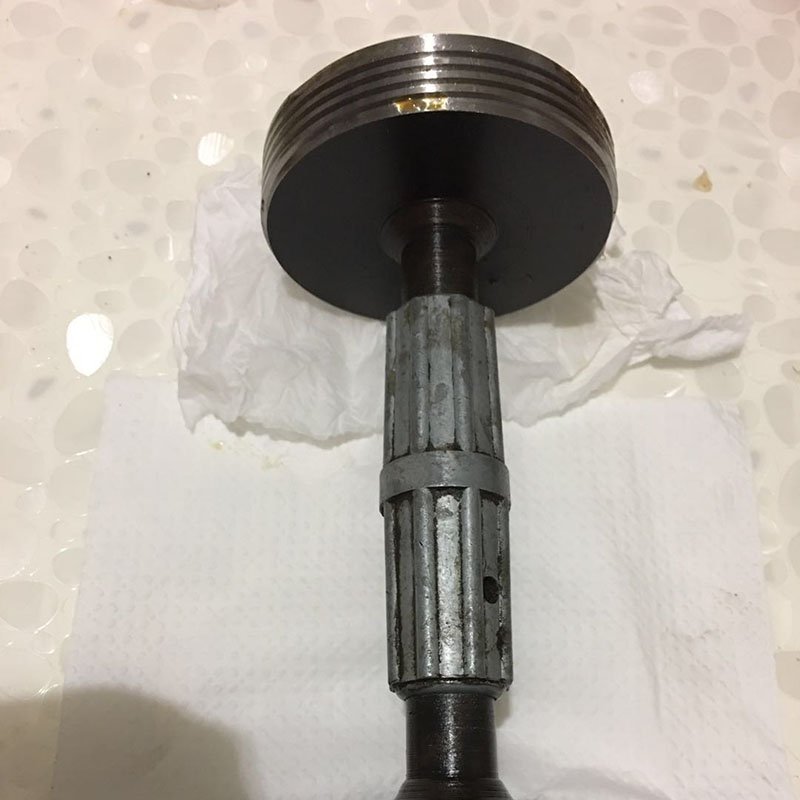
Versatile Wood Connection Brackets for Enhanced Structural Support and Easy Assembly Solutions
The Versatility of Wood Connector Brackets in DIY Projects Wood connector brackets are essential com
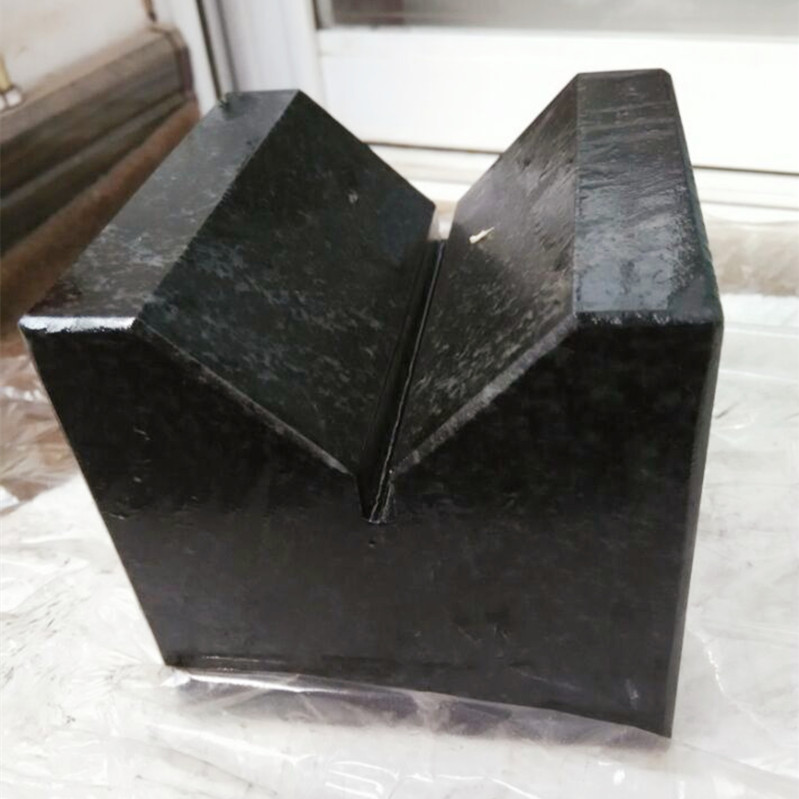
Versatile Workbench for Efficient Welding and Metalworking Projects
The Importance of Welding Tables in Metalworking Welding is a critical process in various industries
 English